
The United Auto Workers (UAW) is celebrating a rare win among Southern auto plants, after a small unit of maintenance workers at the Volkswagen plant in Chattanooga, Tennessee voted to unionize.  The unit makes up only 12% of the 1,400 production and maintenance workers, and they voted 108-44 in favor of the UAW.  VW is appealing an earlier ruling by the National Labor Relations Board (NLRB) that allowed a vote of such a small unit of workers within the much larger plant.  This appeal sets the stage for a possible legal battle for years to come. 

This victory comes almost two years after the UAW lost a much-publicized plant-wide vote in February 2014.  Tennessee Governor Bill Haslam, when asked for his reaction to the most recent vote, down-played the UAW win, claiming that the victory came because the union was able to “cherry-pick” the employees who were included in the vote.

This UAW win further informs employers about the impact of the NLRB’s ruling allowing such “micro-units.”
Much speculation abounds regarding why workers at the Volkswagen (VW) plant in Chattanooga rejected the United Auto Workers’ (UAW) in a recent vote.  Factors appeared to be aligning in favor of the UAW, such as

  • Statements of support for the union from VW representatives in Germany.
  • Access to the plant for union organizers.
  • Promise of a “works council” type approach to unionization.

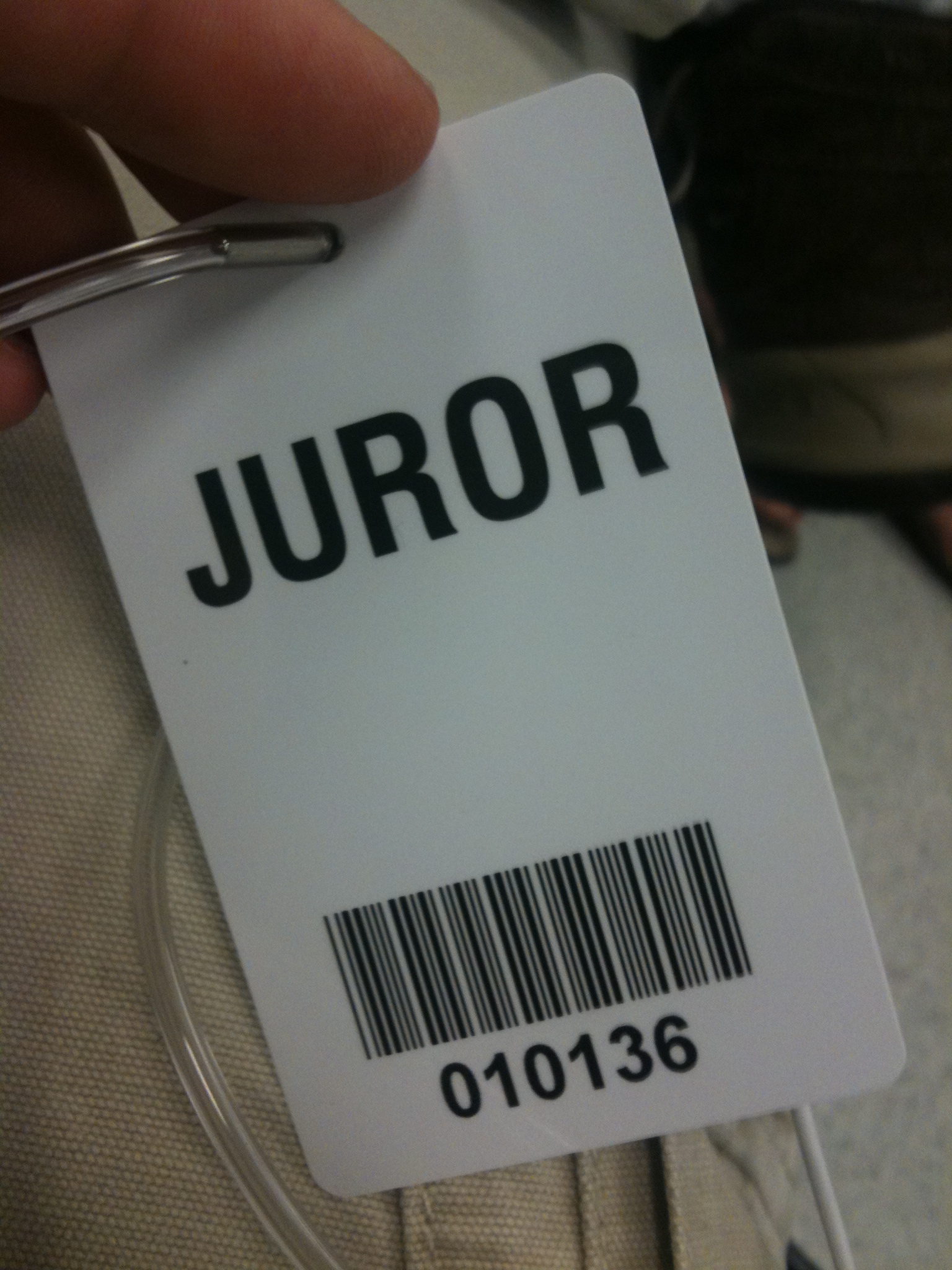
Jury dutyMost Tennessee employers are required to pay employees their “usual compensation” for jury duty.  But, what time is included in the phrase “jury duty” for the purpose of paying employees who serve?

That question was the subject of a recent Tennessee Attorney General opinion.  The Attorney General clarified that, under Tennessee law, jury duty includes the travel time to and from court to report for jury service, even if the employee’s “usual compensation” at his/her job does not include travel time.

Based on Tennessee law, a juror is entitled to an excused absence from work and, for certain employers (unless have less than five employees) to payment in the amount of their “usual compensation” for the time attributed to jury service (unless the employee has been employed for less than six months).  Attorney General Robert Cooper noted that the compensation provision of the law expressly states that the employer is not required to pay more than the employee’s time “spent serving and traveling to and from jury duty.” Tenn. Code Ann. § 22-4-106(b) (emphasis added).  Thus, in an opinion that is not surprising given this statutory language, commuting time to and from court is included in an employee’s jury duty pay.