
We are excited to share the first installment of our newest video series,
10 Steps Every Company Should Take When Conducting Workplace
Investigations. This series is intended to guide HR leaders faced with investigating a complaint between coworkers, such as harassment or inappropriate conduct, through the investigation process.
Each video in this series will offer practical tips on everything from
creating the investigation plan; interviewing relevant parties; and dealing
with the aftermath of the investigation, including potential disciplinary
actions taken against an employee.
To kick off the series, Bass, Berry & Sims attorney Tim Garrett takes
companies through the process of receiving the complaint. Employee
complaints can come anonymously, directly from an employee feeling
mistreated by a coworker or from a supervisor who witnesses inappropriate
behavior. Tim explains how to handle each type of complaint and tactics for
understanding as much information as possible in this initial stage of the
process.
Several attorneys in our Labor & Employment Practice Group are featured
in the series and offer great recommendations for navigating this tricky
process. To guarantee you don’t miss any videos in the series, be sure to
subscribe to this blog or follow us on Twitter.

 I recently provided insight for an article in HR Dive on ageism in the workplace and how employers can address these stereotypes.
 I recently discussed a case currently under review by the Eleventh Circuit Court that should provide clarity on whether, and under what circumstances, a licensed professional counselor or therapist can be a “healthcare provider” – and therefore qualified to verify a need for leave – under the Family & Medical Leave Act (FMLA).
 In
In  Student loan debt in the United States is escalating, and employers are finding it harder to fill open positions. In an effort to tackle both of these issues, more employers have been offering student loan repayment opportunities as part of the benefits packages they offer employees. In an article published by the Nashville Business Journal, I discussed student loan repayment benefits offered by employers and the IRS’s ruling last year regarding this issue.
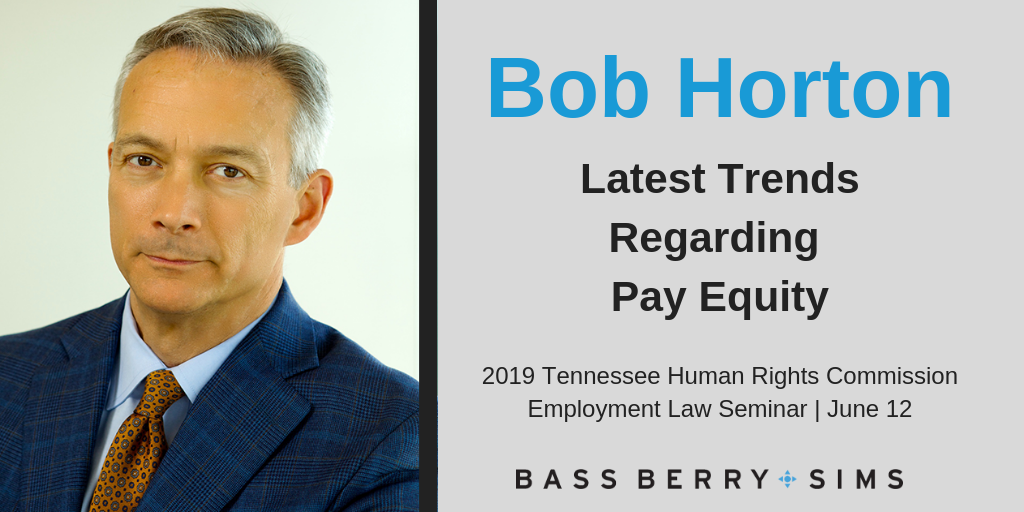 I am looking forward to presenting on recent pay equity trends at the Tennessee Human Rights Commission’s (THRC) 2019 Employment Law Seminar.